Thinking about adding an accessory dwelling unit to your Arvada property, but not sure where to start? You are not alone. Many Jefferson County homeowners want rental income, space for family, or future flexibility, yet the design and utility choices can feel overwhelming. In this guide, you will learn proven ADU layouts that rent well, smart site and utility strategies for Arvada lots, and the typical approval path so you can plan with confidence. Let’s dive in.
Why ADUs work in Arvada
ADUs can unlock steady rental income or create a separate space for multigenerational living. In Arvada, you will see both detached backyard cottages and attached or interior conversions. The right approach depends on your lot, budget, and goals. Before you sketch anything, set expectations by confirming zoning, size limits, setbacks, parking, and utility rules with the City of Arvada. That quick check saves time and helps you design to the rules that apply to your address.
Type A vs Type B: pick your path
Type A detached: when it fits
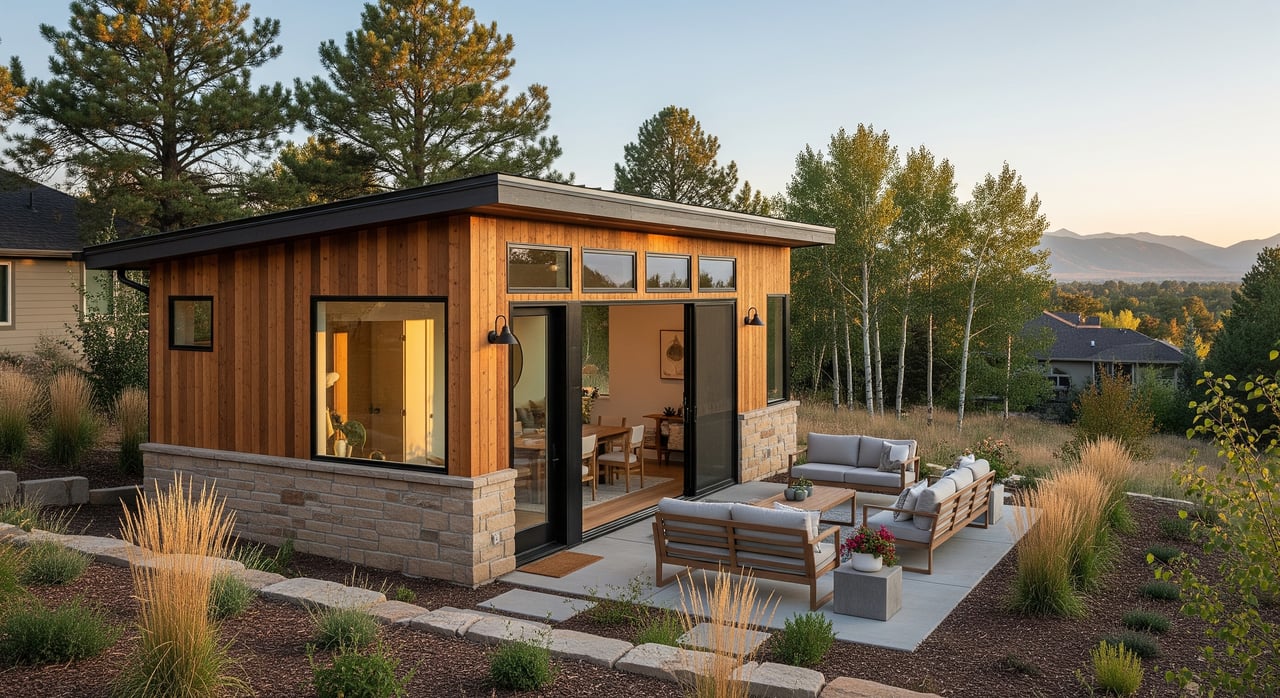
A detached ADU gives you the most privacy and design control. It often sits in the rear yard and can be one or two stories, as allowed. You can tailor windows, entries, and outdoor space to reduce sightlines and boost livability. Plan for new utility runs to the structure and confirm setbacks, maximum height, and any lot coverage caps with Arvada’s Planning Division.
Type B attached: conversions that pay off
Attached or interior ADUs include garage conversions, basement apartments, or an addition connected to the main home. Conversions can be faster and more cost effective because you are reusing a footprint. Focus on egress and natural light for basements, insulation and new openings for garages, and a separate entrance when possible. Add sound control at shared walls and ceilings to keep both homes comfortable.
Proven footprints that rent well
Use these size ranges as practical starting points. Always compare to the maximum ADU size allowed for your property in Arvada.
Micro studio, 300 to 450 square feet
A smart studio or micro one-bedroom can work on tight lots. Keep an open plan with a compact kitchenette and a full bathroom to maximize rental appeal. Plan for built-ins and compact appliances, like a 24 to 30 inch range and a combo washer and dryer. Place windows and egress openings to meet code and bring in natural light.
Compact 1-bedroom, 450 to 700 square feet
This is the most flexible layout for long-term tenants and family. Separate the bedroom from the living area, and include a full kitchen and a comfortable bathroom. Add a small laundry closet and a compact mechanical closet for HVAC and water heater. A private entrance and a small patio or yard make this footprint feel complete.
Larger 1 to 2 bedroom, 700 to 1,000+ square feet
On larger or corner lots, a bigger ADU can support higher rent and multi-person households. Plan for one or two bedrooms and one or two baths with a full kitchen and laundry. A two-story detached design can place living space on the first floor and bedrooms above for privacy. Include a dedicated mechanical room and secure storage for bikes or seasonal items.
Garage and basement conversions
A garage-to-ADU conversion preserves yard space and avoids new foundations. Budget for slab insulation, new windows and doors, and new plumbing lines. A basement ADU needs safe egress windows, code ceiling heights, and moisture control. Keep natural light and sound separation top of mind so the unit feels bright and quiet.
Site placement, access, and privacy
Rear yard strategies
Rear yard placement keeps the main home’s street presence intact. Confirm rear and side setbacks and check for easements that could limit where you build. When space is tight, consider a narrow footprint and minimize hallway space inside to keep rooms usable.
Alley and driveway access
If you have alley access, use it for a new parking pad and the ADU’s entry. On narrow lots without an alley, tandem parking in the driveway can satisfy on-site parking needs. A clear, well-lit path to a separate entrance improves safety and privacy.
Light, views, and neighbors
Aim living room windows toward southern light to capture winter sun, and use shading for summer comfort. Place windows to reduce direct views into neighbor yards. Use fencing or landscape screening where allowed, and respect sight triangles at corners and driveways.
Drainage and foundations
Keep positive drainage away from both the main home and the ADU. If you add roof area or paving, confirm whether stormwater review applies. Choose a foundation suitable for Colorado freeze and thaw cycles, and locate utilities and old septic fields or easements before you dig.
Utilities that make sense here
Sewer and water
Most Arvada homes connect to municipal sewer, and tying into the existing lateral is common for both attached and detached ADUs. If your property is on septic, expect additional steps, and verify requirements with Jefferson County and the City of Arvada. Ask the city if a separate water meter is required for a rental ADU or if shared metering is allowed.
Power, gas, and HVAC
You can extend existing electric and gas service or install separate meters if allowed. Separate meters simplify tenant billing but add cost. For heating and cooling, mini split heat pumps are popular in Colorado ADUs because they are efficient and reduce ductwork. Place mechanicals, water heater, and laundry in a compact chase to shorten runs and control costs.
Meters and billing
Decide early if you want separate metering. Separate meters increase upfront costs but make tenant billing straightforward. Shared systems can work, especially for family use, but you will manage utilities together.
Parking and access that pass review
Many cities require one off-street parking space per ADU, though policies vary. Confirm the current rule with Arvada. If parking is tight, plan for tandem spaces in the driveway, an alley-access pad, or a compact single-stall pad in the rear yard that meets setbacks. Where transit is nearby, design secure bike storage to support car-light living.
Permits and timeline in plain English
- Pre-application and zoning check. Contact Arvada’s Planning Division for a pre-application meeting or zoning verification. Ask for the current ADU checklist and design standards.
- Design and site plan. Prepare a site plan that shows lot lines, setbacks, existing structures, proposed ADU location, parking, and utility routes. Include floor plans and elevations.
- Plan review and permits. Submit to the building department for zoning, building, plumbing, mechanical, and electrical review. You may need stormwater or structural review for unique designs.
- Construction and inspections. Expect inspections at foundation, rough framing, rough MEP, insulation, and final sign-off. Conversions can take 2 to 6 months after permit. New detached builds often run 4 to 9 months, depending on scope and contractor.
- Certificate of Occupancy. You will need a final sign-off before renting or using the ADU as a separate dwelling. Ask about separate addressing for emergency services.
Budget ranges and cost drivers
Conversions usually cost less per square foot than a new detached build because you reuse structure and utilities. New detached ADUs vary widely, with many Colorado projects landing in the mid to upper three figures per square foot, based on finish level and complexity. Major cost drivers include foundation work, utility extensions, code upgrades like egress and fire separation, and site access or grading. Do not forget soft costs such as design, engineering, permit and impact fees, and any tap or meter fees. Owners often use home equity, construction loans, or specialized ADU financing. Talk to local lenders about options.
Safety, accessibility, and long-term flexibility
If you want aging-in-place potential, keep bedroom and bathroom on the main level and aim for a zero-step entry. Widen doorways and reinforce walls for future grab bars. Follow fire separation rules between units and add smoke and carbon monoxide detectors. Sprinklers may be required depending on local code and existing systems, so verify during planning. Think long-term: a layout that works as a rental, guest suite, or home office protects your investment through life changes.
What to verify with Arvada before you design
- Whether ADUs are allowed in your zoning district and whether detached and attached types are both allowed.
- Maximum ADU size, height limits, setbacks, and any lot coverage caps.
- Parking requirements and whether waivers exist.
- Owner-occupancy and rental rules, including any short-term rental limits and HOA rules.
- Separate address and separate meter policies for water, sewer, gas, and electric.
- Impact fees, tap fees, and building code requirements such as egress, ceiling height, and fire separation.
- Required documents, variance processes, and estimated review times.
Smart next steps for Arvada homeowners
- Book a quick zoning check with Arvada Planning and ask for the current ADU checklist.
- Get a current survey and mark easements, utilities, and any septic system.
- Choose Type A detached or Type B attached based on lot, budget, and privacy needs. Use the footprint ranges above to set your program.
- Talk to utilities early about sewer tie-in, meter policy, and electric or gas service.
- Hire an architect or ADU designer to prepare a permit-ready site plan and drawings. Consider modular or kit options if you need speed.
- Submit, build, and plan for inspections, then secure your Certificate of Occupancy before renting.
If you want a local read on which Arvada lots and home types make the best ADU candidates, or how an ADU could change your property’s value, reach out for calm, educational guidance. I specialize in Denver metro neighborhoods and help you weigh rental potential, resale impact, and next steps without pressure.
Ready to explore what an ADU could do for your Arvada home value or your home search? Connect with [Unknown Company] for local, step-by-step support. Get Your Instant Home Valuation.
FAQs
How big can an ADU be in Arvada?
- It depends on your zoning district, and Arvada may set a square footage cap or tie size to a percentage of the main home. Confirm limits with the City of Arvada before you design.
Do I need a separate water or electric meter for my ADU?
- Policies vary, and some owners share meters while others install separate ones for tenant billing. Ask Arvada and your utility providers about current requirements and costs.
Can I convert my garage or basement into an ADU in Arvada?
- Yes, attached and interior ADUs are common, but you must address insulation, egress, ceiling heights, and sound separation to meet code and create a livable unit.
What are the parking rules for ADUs in Arvada?
- Many cities require one off-street space per ADU, though rules and waivers vary. Verify the current requirement with Arvada Planning and design your site plan to show compliant parking.
How long does it take to permit and build an ADU in Arvada?
- Plan for weeks to months for review; conversions often take 2 to 6 months to build after permit, and new detached ADUs often take 4 to 9 months, depending on scope and contractor.
Will my ADU require a separate address?
- Expect the city to require clear addressing for emergency services and rental use. Confirm addressing steps as part of your permit process.