Are you trying to figure out which part of Highlands Ranch fits your lifestyle best? That can be harder than it looks, because this community is bigger and more layered than many buyers expect. If you want a clearer picture of the villages, home styles, amenities, and HOA details that can affect your decision, you are in the right place. Let’s dive in.
Highlands Ranch at a Glance
Highlands Ranch is an unincorporated community in Douglas County and a large master-planned development that began in 1981. According to HRCA, it covers about 22,000 acres, includes around 100,830 residents and 31,510 homes, and roughly 61% of the land is non-urban uses.
That scale matters when you start your home search. Highlands Ranch is not just one neighborhood with one feel. It is a large community made up of multiple village areas, recreation patterns, and sub-associations that can create very different day-to-day experiences from one address to the next.
The Four Main Villages
HRCA identifies four core neighborhoods in Highlands Ranch: Eastridge, Westridge, Northridge, and Southridge. These broad village names help you understand location and amenity patterns, but they are only the first layer.
In practice, buyers also need to look at the specific delegate district or sub-association tied to the property. HRCA lists 94 delegate districts, and examples include Backcountry, Firelight, Canyon Ranch, Settlers Village, Falcon Hills South, and Westridge Knolls. That means two homes in the same general area can still come with different rules, fees, and neighborhood identity.
Why the Village Name Matters
The village name often gives you a quick read on where you are in the community and which recreation center may feel most convenient. It can also help you narrow your search based on how you spend your free time, how often you want to use community amenities, and how important access to central shopping or trails is to you.
If you are comparing listings online, it helps to go beyond the headline and confirm the exact neighborhood structure. A home may be marketed broadly as being in Highlands Ranch, but the finer details often matter more once you start comparing your options side by side.
Home Options in Highlands Ranch
One reason Highlands Ranch appeals to a wide range of buyers is the variety of housing types. HRCA notes that the community includes homes for many buyer types, from single-family homes to custom homes.
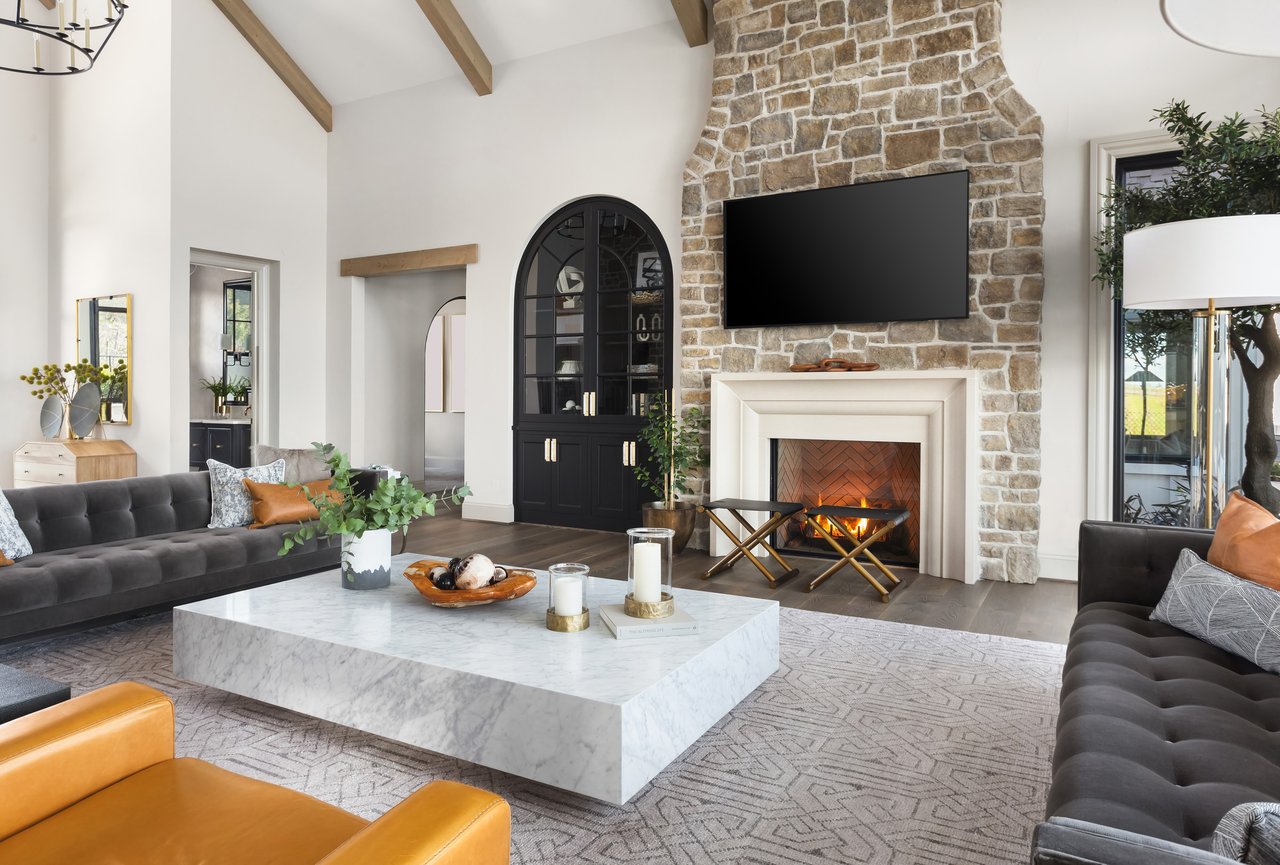
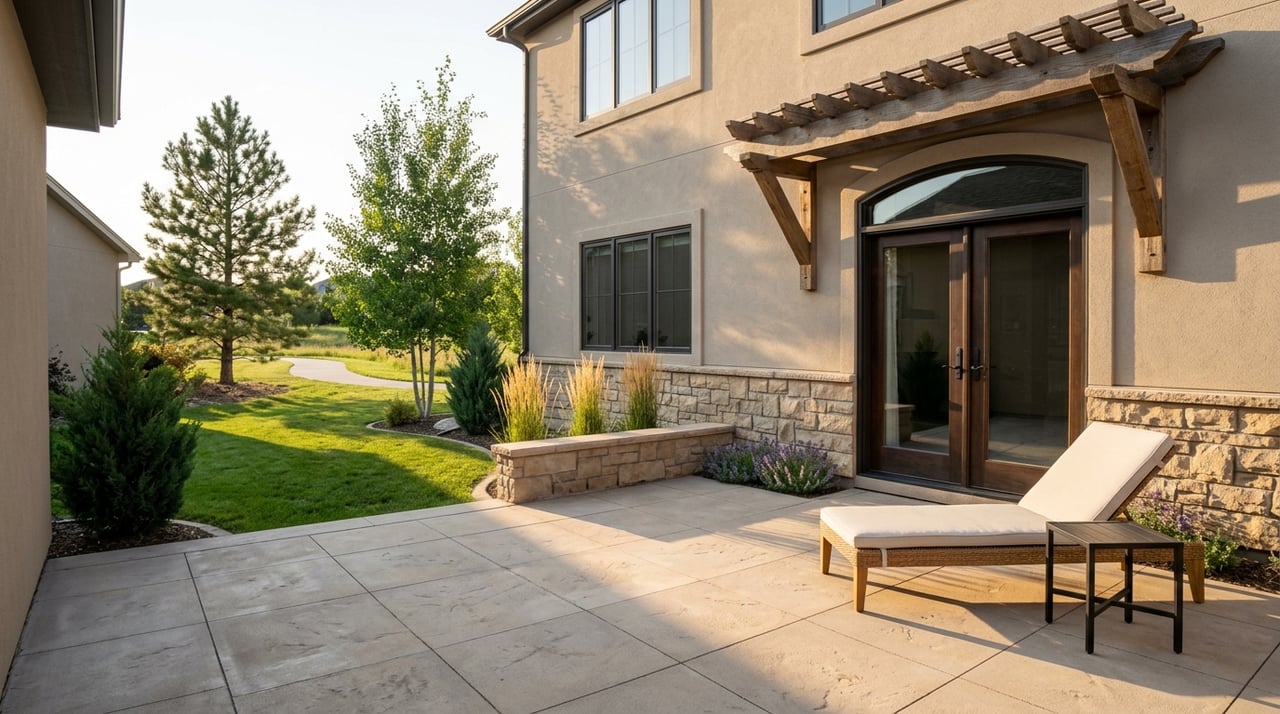
You will generally see a mix of tract homes, attached homes, and custom-built homes in certain areas. That variety can be helpful whether you are looking for a lower-maintenance option, more interior space, or a more distinct home style.
Tract Homes
Many Highlands Ranch neighborhoods include single-family tract homes. These areas often offer a more consistent streetscape and can be a practical fit if you want established neighborhood patterns within the larger master-planned community.
When comparing tract-home neighborhoods, it is smart to focus on the exact filing or sub-association, not just square footage and price. Exterior rules, fence standards, and assessment structures can vary.
Attached Homes
Attached homes can be a strong option if you want less exterior upkeep or a more compact footprint. HRCA’s current residential guidelines note that attached homes must keep the same exterior elevations and materials when rebuilt, which is an important detail for long-term planning.
That kind of rule can affect future renovation expectations and insurance conversations after major damage. It is one more reason to review the governing documents early in the process.
Custom Homes
HRCA identifies custom-built homes in Falcon Hills, Highwoods, and BackCountry. If you are drawn to more individualized architecture or a more bespoke housing pattern, these are areas worth watching closely.
Custom-home areas can feel different from older tract-home sections of Highlands Ranch. They may offer a different visual character, but they also come with guidelines you will want to understand before making an offer.
HOA Rules and Assessments to Know
One of the biggest practical differences between Highlands Ranch homes is not always visible in photos. It often comes down to association structure, assessments, and architectural rules.
Most homeowners pay quarterly HRCA assessments due in January, April, July, and October. For 2026, the standard annual assessment is $696, and HRCA says that fee supports administrative functions like covenant enforcement and billing, along with recreation functions that support the recreation centers and the Backcountry Wilderness Area.
Administrative-Only Communities
HRCA identifies Gleneagles Village, The Retreat, The Villages, and Palomino Park as annual administrative-only assessment communities. If you are considering a home in one of these areas, you should ask exactly what is included and whether recreation access is handled separately.
This is an easy place for buyers to make assumptions. A clear review of the assessment structure can help you avoid surprises after closing.
Exterior Change Rules
If you are already thinking about painting, replacing a fence, adding onto the home, or making other visible exterior changes, review the ARC requirements early. HRCA’s guidelines show that additions, fence changes, and other visible exterior work often require approval.
Even fence-stain rules can vary by sub-association. If you plan to personalize a home, these details deserve attention before you finalize your budget.
Comparing Amenities by Village
Amenities are one of the defining features of Highlands Ranch. HRCA members get access to four recreation centers totaling more than 329,000 square feet, plus the Backcountry Wilderness Area.
For many buyers, this becomes a quality-of-life question. Instead of asking which village is best, it is usually more helpful to ask which village best matches how you actually live.
Eastridge Amenities
Eastridge Rec Center includes indoor and outdoor pools, a climbing wall, sand volleyball courts, two gymnasiums, preschool and enrichment space, and administrative offices. This area may appeal to buyers who want a broad recreation setup on the east or central side of the community.
If your household would use pools, gym space, or climbing features regularly, Eastridge is a logical area to compare. Convenience often matters as much as the amenity itself.
Westridge Amenities
Westridge Rec Center includes indoor and outdoor pools, indoor turf, a running track, a spin studio, six outdoor pickleball courts, batting cages, and Tiny Tees Ball Park. It stands out for buyers who want a more sports-focused amenity mix.
If you picture frequent pickleball, turf training, or active recreation close to home, Westridge deserves a close look. For some buyers, that amenity package can be a real tie-breaker between similar homes.
Northridge Amenities
Northridge Rec Center includes indoor and outdoor pools, an aqua climbing wall, hot yoga, a tennis pavilion, a golf simulator, and 10 racquetball courts. Buyers often compare Northridge when indoor sports and racquet activities are high on the priority list.
This can be a strong fit if you want year-round activity options without leaving the community. It is one of the clearer examples of how village location can shape daily convenience.
Southridge Amenities
Southridge Rec Center includes an indoor current-channel and warm-water pool, an outdoor resort pool, a pottery studio, an auditorium, a golf and multisport simulator, five outdoor tennis courts, and two gymnasiums. It offers one of the most varied mixes in Highlands Ranch.
If you want recreation plus arts or event-oriented space, Southridge may stand out. The blend of uses gives it a different feel than a purely sports-centered setup.
Backcountry and Trail Access
The Backcountry Wilderness Area is one of the most distinctive community features in Highlands Ranch. HRCA says it includes 8,200 acres, more than 25 miles of singletrack trails, and three archery ranges.
If you want trail-oriented living and easier access to conservation space, this part of the community may rise to the top of your list. Buyers looking in BackCountry may also encounter more custom-built housing patterns than in older tract-home areas.
Town Center and Central Access
Some buyers focus less on one recreation center and more on central convenience. The Civic Green and Town Center corridor functions as a key civic node within Highlands Ranch, with Civic Green Park offering a playground, water features, an amphitheater, and shelters.
The Metro District map also references the RTD lot and Town Center parking garage, and Redstone Park sits on Town Center Drive one mile south of C-470 and Lucent Boulevard. If you value easier access to errands, events, and central gathering spaces, this corridor is worth factoring into your search.
How to Choose the Right Highlands Ranch Area
The best way to shop Highlands Ranch is to match the home to your real routines, not just your wish list. A beautiful home can lose some appeal if the assessment structure, exterior rules, or amenity access do not fit how you plan to live.
As you compare options, keep your focus on a few core questions:
- What is the exact village, delegate district, and sub-association?
- Does the property have full recreation assessment status or administrative-only status?
- Which recreation center or outdoor features would you actually use?
- Are there ARC rules that could affect future updates?
- How does the location fit your commute, shopping patterns, and daily routine?
Those answers usually create much more clarity than a broad search by price alone.
Why Local Guidance Helps
Highlands Ranch has a lot to offer, but it also has layers that can be easy to miss when you are just scrolling listings. Village identity, sub-association rules, and amenity access can all shape whether a home feels like the right fit long after move-in day.
That is where a patient, neighborhood-focused approach makes a difference. If you want help comparing Highlands Ranch villages, understanding home options, or narrowing down the right fit for your goals, reach out to Michael Gordon.
FAQs
What are the main villages in Highlands Ranch?
- Highlands Ranch is organized into four core neighborhoods: Eastridge, Westridge, Northridge, and Southridge.
What types of homes are available in Highlands Ranch?
- Buyers will find a mix of single-family tract homes, attached homes, and custom-built homes in certain areas such as Falcon Hills, Highwoods, and BackCountry.
Do all Highlands Ranch homes have the same HOA fees?
- No. Most homeowners pay quarterly HRCA assessments, but some communities such as Gleneagles Village, The Retreat, The Villages, and Palomino Park are listed by HRCA as administrative-only assessment communities.
What should buyers check before buying in Highlands Ranch?
- Confirm the exact neighborhood and sub-association, review the assessment structure, match the location to the amenities you will use, and check ARC rules for planned exterior changes.
Which Highlands Ranch area is best for recreation access?
- The answer depends on your lifestyle, since each main area has different strengths like climbing and pools in Eastridge, pickleball and turf in Westridge, racquet sports in Northridge, and arts and event space in Southridge.
What makes Backcountry different in Highlands Ranch?
- Backcountry stands out for its conservation-focused setting, with 8,200 acres of wilderness area, more than 25 miles of singletrack trails, archery ranges, and custom-home patterns in parts of the area.